
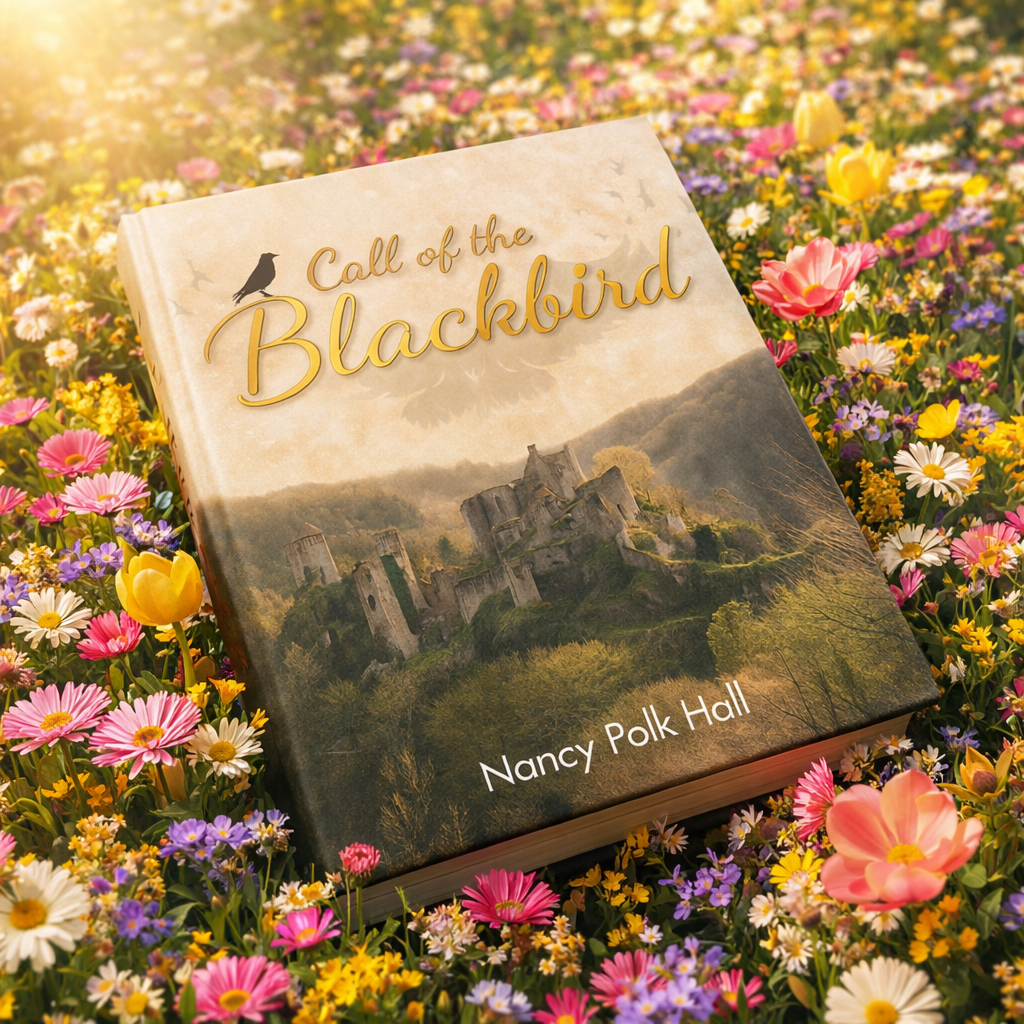
What’s the Right Book for a Slow, Unhurried Spring Afternoon?
Almost without exception, the books I reach for in spring are the ones with somewhere to go…stories that take you into a world so fully realized that you can feel the stone under your feet and the particular quality of the air.
The Book for a Long Spring Afternoon
There is a particular quality to spring light in the late afternoon.
It comes in low and gold through whatever window you’re sitting near, and it makes the dust on old things glow rather than look neglected. It is the kind of light that slows you down. That asks you to stay a little longer. That makes a good book feel not just possible but necessary.
I’ve been thinking lately about what we need from books in different seasons. Winter calls for something thick and consuming — you want to disappear into it. Summer wants speed, brightness, something that moves. But spring is different. Spring asks for depth without heaviness. For beauty that feels earned. For a story that transports you somewhere else and then brings you back to yourself, changed in some small and quiet way.
That is what I hoped Call of the Blackbird would be for the people who found their way to it. And I’ve learned, through the notes and messages readers have sent, that spring is exactly when it tends to find them.
Why This Season Changes What You Want From a Story
I notice it in myself every year. After a winter of moving quickly — shorter days, the press of the holidays, the sense of things waiting — spring breaks something open. There’s suddenly more light, and with more light comes more willingness to linger.
That’s when I pick up the books I’ve been meaning to read. The ones that were always there, but that I hadn’t made time for. And almost without exception, the books I reach for in spring are the ones with somewhere to go. Not thrillers in the racing sense. But stories that take you into a world so fully realized that you can feel the stone under your feet and the particular quality of the air.
Historical fiction, at its best, does that. It is immersive in a way that quieter contemporary fiction sometimes isn’t. When you go back — truly back — you have to surrender to another time entirely. And spring, with its particular generosity of light and pace, is when I think most readers are ready to make that surrender.
What Call of the Blackbird Offers in This Season
Call of the Blackbird opens in France — in a place I visited as a young woman, one of those medieval villages built into the rock that feels like it has simply always existed. When I walked those streets, I kept thinking: someone lived here, in this particular spot, and their life had a weight and a texture that the guidebook couldn’t touch. That question is what eventually became the book.
The characters I found there — or invented, or uncovered, depending on how you think about fiction — are people I came to know deeply. And the story they carry moves through mystery and romance and history the way life actually moves: not neatly, not obviously, but with moments of piercing clarity that you don’t see coming.
Readers have told me they found themselves pausing in the middle of chapters to look something up — a place, a name, a historical event — because they weren’t sure whether I’d invented it or found it. That is, genuinely, my favorite thing anyone can say. It means the research held. It means the history breathed.
On Book Clubs and Spring
Spring is peak book club season, and I want to say something to anyone who’s been considering bringing Call of the Blackbird to their group: please do.
The conversations I’ve heard about from book club readers have been wonderful and wide-ranging — about memory, about family history, about what it means to uncover a story that’s been waiting, about the line between what’s recorded and what’s real. These are questions the novel raises, but they’re also questions we carry with us in our own lives. Good historical fiction does that. It opens doors into your own past as well as someone else’s.
If your group reads it and wants to connect afterward, I would genuinely love that. Book clubs are among my favorite conversations.
The Reading You’ve Been Meaning to Do
If you’ve had Call of the Blackbird on your list for a while — thank you for keeping it there. I know how many books compete for that space.
This spring, with its long afternoons and its particular invitation to slow down, might be exactly the right moment. The story will be there when you open it. So will the light through the window, and the sense that you’ve stepped somewhere entirely away from the ordinary world.
That’s what I hope for every reader who finds their way to it.
Call of the Blackbird is available in paperback, Kindle, and audiobook — wherever you like to find your books. And if it finds its way to your book club, I’d love to hear about it.